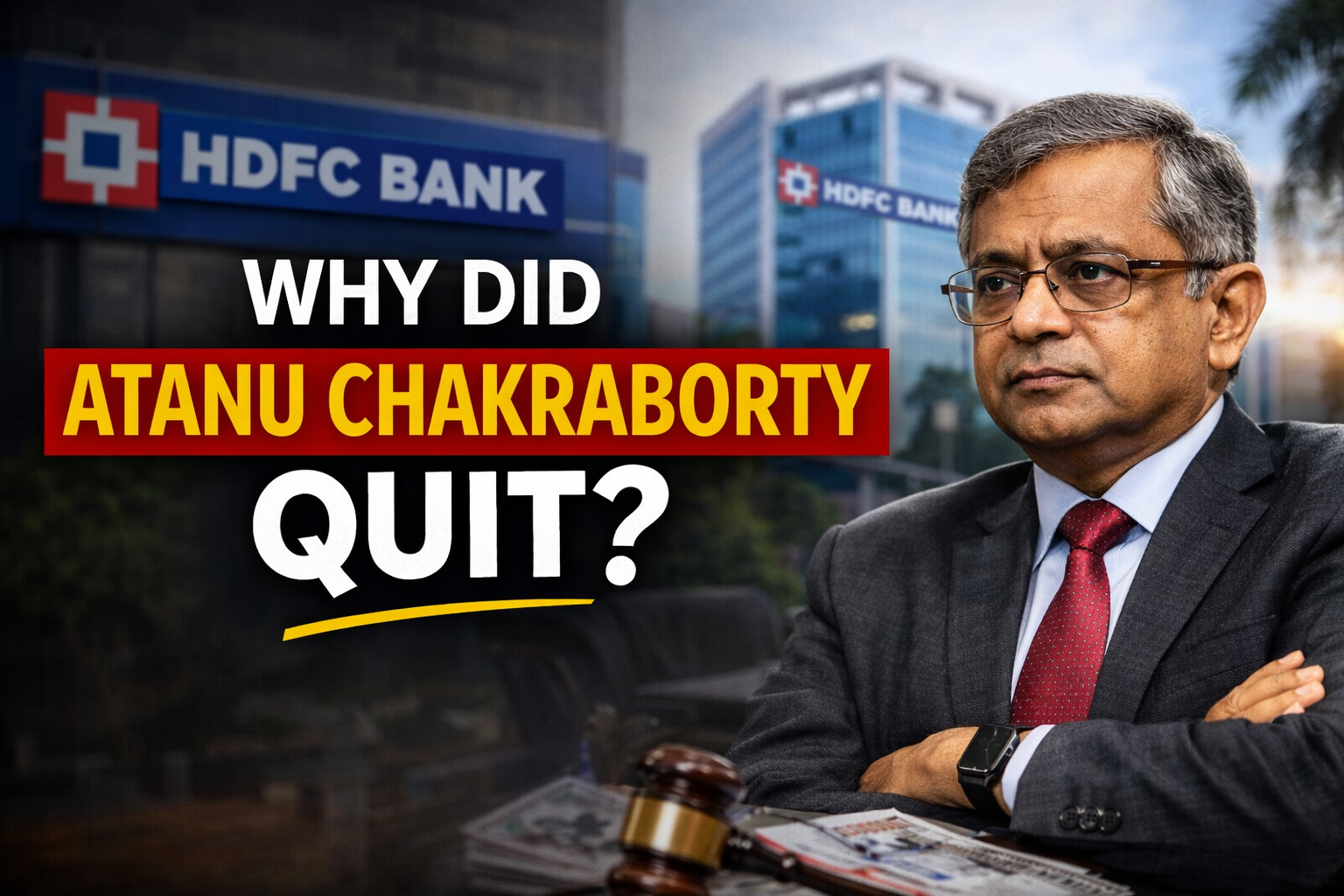
HDFC Bank – Time to shoot the message, not the messenger
When the HDFC Bank chairman resigned from his position during the week, there were enough analysts questioning the impact on the stock. However, it is time to address the message, not shoot the messenger.
Why Atanu Chakraborty quit
It is not often that you see the chairman of the most valuable bank in the country quitting under rather surprising circumstances. A seasoned bureaucrat, Atanu Chakraborty, resigned stating that “some of the recent developments at the bank were not in sync with his personal values.” Of course, the chairman did not elaborate on the reasons, but his differences with the CEO Sasidhar Jagadeesan are well known. As a career bureaucrat, and as an outsider, he thought it better to stay out of the entire story, rather than be part of it. However, the fact that a man of his stature raises such uncomfortable questions about the most valuable bank, is a message in itself. There are, apparently, 3 issues.
No automatic extensions for the CEO
While Atanu Chakraborty may have had his differences with the CEO, some of his points were on target. For instance, Chakraborty had underlined that the Leelavati Hospital case had not only sullied the image of the bank, but also of the CEO, who was named in the entire case as being directly responsible. Atanu Chakraborty had insisted that another 3-year extension to Sasidhar Jagadeesan should be entirely based on an independent and objective performance review of the CEO on multiple parameters. That had been the bone of contention between the two men for some time. In a sense, Chakraborty was right, especially after the image hit that HDFC Bank took.
Relook at some of the selling practices
It is not a coincidence that just a day after the resignation of Atanu Chakraborty, 3 senior officials of HDFC Bank were asked to resign. What is more interesting is the common link between the three of them; the mis-selling of ATR-1 bonds of Credit Suisse. When Credit Suisse was merged into UBS, the ATR-1 bonds were repudiated and the entire investment had zero value. That is the nature of the ATR-1 bonds; as they are a high-risk, high-return debt instrument. However, when these officials sold the ATR-1 bonds, they skipped mentioning key risks. Clearly, the disconnect with values that Chakraborty talked about was referring to such practices; and was not entirely without merit!
Assessing the gains from the HDFC merger
One of the controversial issues in the last few years has been the tangible merits of the merger of HDFC Ltd and HDFC Bank. The previous CEO, Aditya Puri, did not see any merit in that decision and hence the merger did not happen during his tenure. However, HDFC management was able to apply a lot more pressure after the exit of Puri. The surprising part is that the person appointed as a replacement for Atanu Chakraborty is an old-time HDFC veteran, Keki Mistry. Chakraborty had been sceptical about the merits of the merger and had mentioned that in as many words, which was probably his undoing. For now, the bank must address the message, rather than attack the messenger.
Turn market insight into a plan for your money.
Talk to usDisclaimer: This content is for general information and education only and is not a recommendation to buy or sell any security.
Was this article helpful?