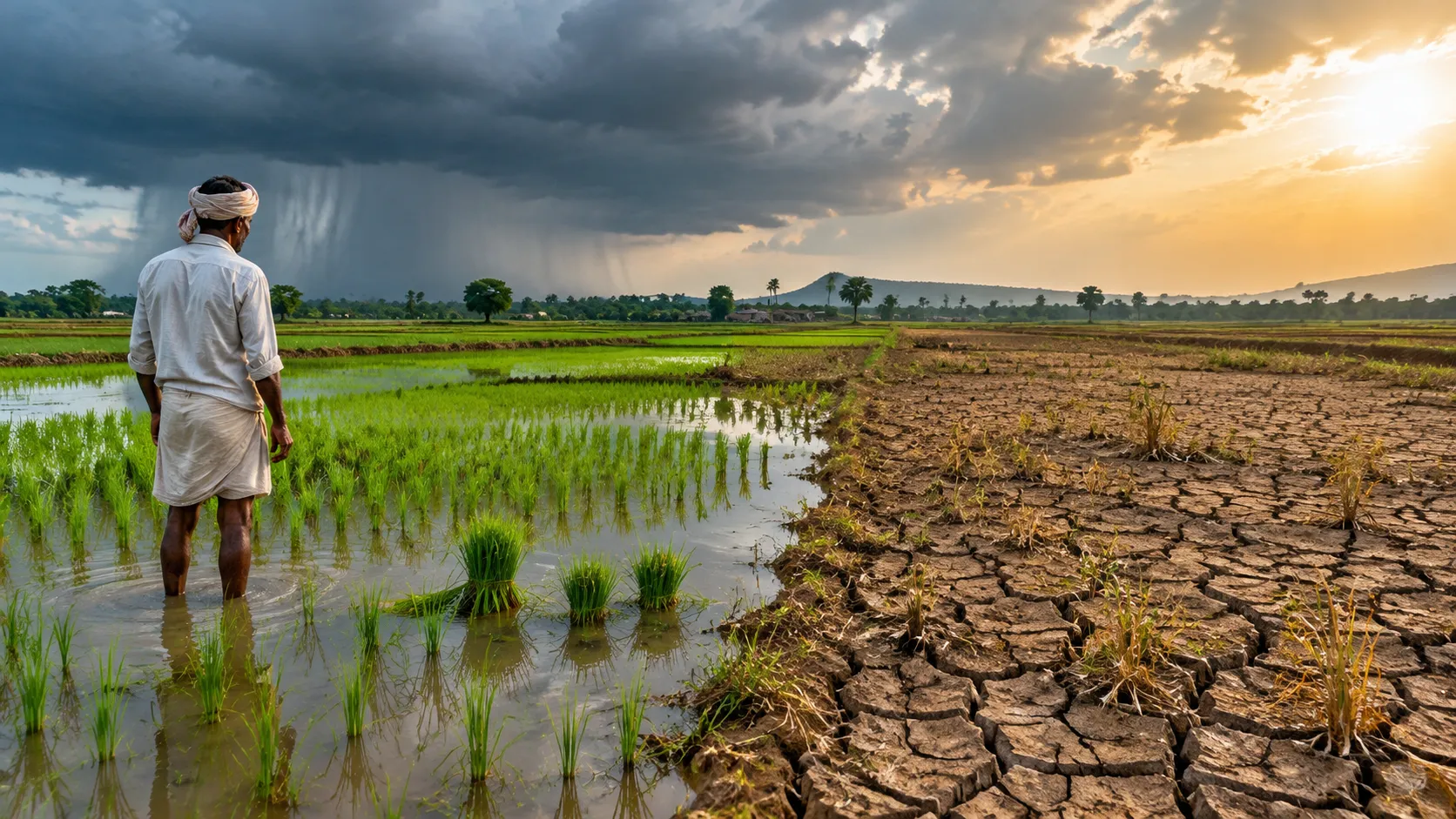
El Nino – Get set for inundation and inflation in coming months
El Nino has been bad. In the coming months, it could only get worse. A spike in global temperatures due to El Nino could inundate land masses, trigger inflation, and create power shortages globally.
El Nino has been bad. In the coming months, it could only get worse. A spike in global temperatures due to El Nino could inundate land masses, trigger inflation, and create power shortages globally.
How bad is the El Nino this year?
If reports are to be believed, the El Nino this year could be one of the worst in memory. The extent of heating of ocean currents this year is likely to be unprecedented. In most years, if the Pacific waters see a 2o Celsius rise in temperature, it is treated as a severe El Nino effect. This year, the impact is likely to be up to 3.7o C. One can just imagine the impact it will have in terms of global warming. The possible economic implications could be crop-failures, spike in power demand, fall in worker productivity, spike in tropical diseases, and an inevitable rise in consumer inflation.
How big is the El Nino inundation problem?
There have been risks of sea levels rising in many places. Several cities like Mumbai, Kolkata, Dhaka, Bangkok, Jakarta, Manila, Miami, and New Orleans face inundation risk due to their low levels. If the ocean heating is 3.7o C this year, then such inundation risks may be closer than we imagine. Typically, the El Nino leads to extreme disparities in rainfall. Asia and Australia faces drought while most of East Africa and Latin America faces the risk of deluges due to the El Nino effect. The last severe El Nino in 1876 had caused nearly 50 million deaths due to a combination of floods and famines. To top it, this comes with the rising risks of tropical diseases and epidemics spreading rapidly.
Power rationing and crop failures
A rather interesting link is between power rationing and crop failures. Both are the outcomes of El Nino, but the connection is interesting. The combination of floods and droughts in contiguous areas tends to disrupt cropping patterns. In India, inadequate rainfall has led to Rabi sowing being 36% lower than the previous year. Global warming due to El Nino and a recovery in industrial output are driving a massive surge in power demand. Today, most countries globally are struggling to meet the sudden surge in power demand. This leads to power rationing to prevent grid collapse, which normally leads to irrigation pumps sitting idle. This linkage has been a key reason for crop failures.
Finally, do not forget the Inflation monster
El Nino is normally a trigger for higher food inflation, which eventually translates into higher headline inflation. India October inflation crossed the RBI upper tolerance of 6%, and it is likely to stay above this level till the end of March 2027. High inflation is a problem in most countries. Even in the US, the rate of inflation is around 150-170 bps above their inflation target. In most countries, it is food prices that has been driving inflation, although crude oil has also been a factor in recent times. With sticky inflation, policy hawkishness is a reality to contend with. Clearly, the economic impact of El Nino this year could be much wider and deeper than previous years.
Turn market insight into a plan for your money.
Talk to usDisclaimer: This content is for general information and education only and is not a recommendation to buy or sell any security.
Get SERNET Insights in your inbox
Market updates, IPO notes and money guides.
For preference changes, reactivation or unsubscribe, email support@sernetindia.com from your subscribed address.
Was this article helpful?