 Announcement: Lorem ipsum dolor sit amet, consectetur adipiscing elit. Donec et quam blandit odio sodales pharetra.
Quick Commerce – Will ending 10-minute promise change anything?
The government recently barred quick commerce companies like Blinkit, Instamart, and Zepto from advertising the 10-minute delivery claim. Even if they do actually deliver in 10 minutes, they cannot use that as publicity material. It surely hits at the core of the quick commerce business, which is based on the pillars of speed, churn, and dark stores.

Written by: SERNET Research Team
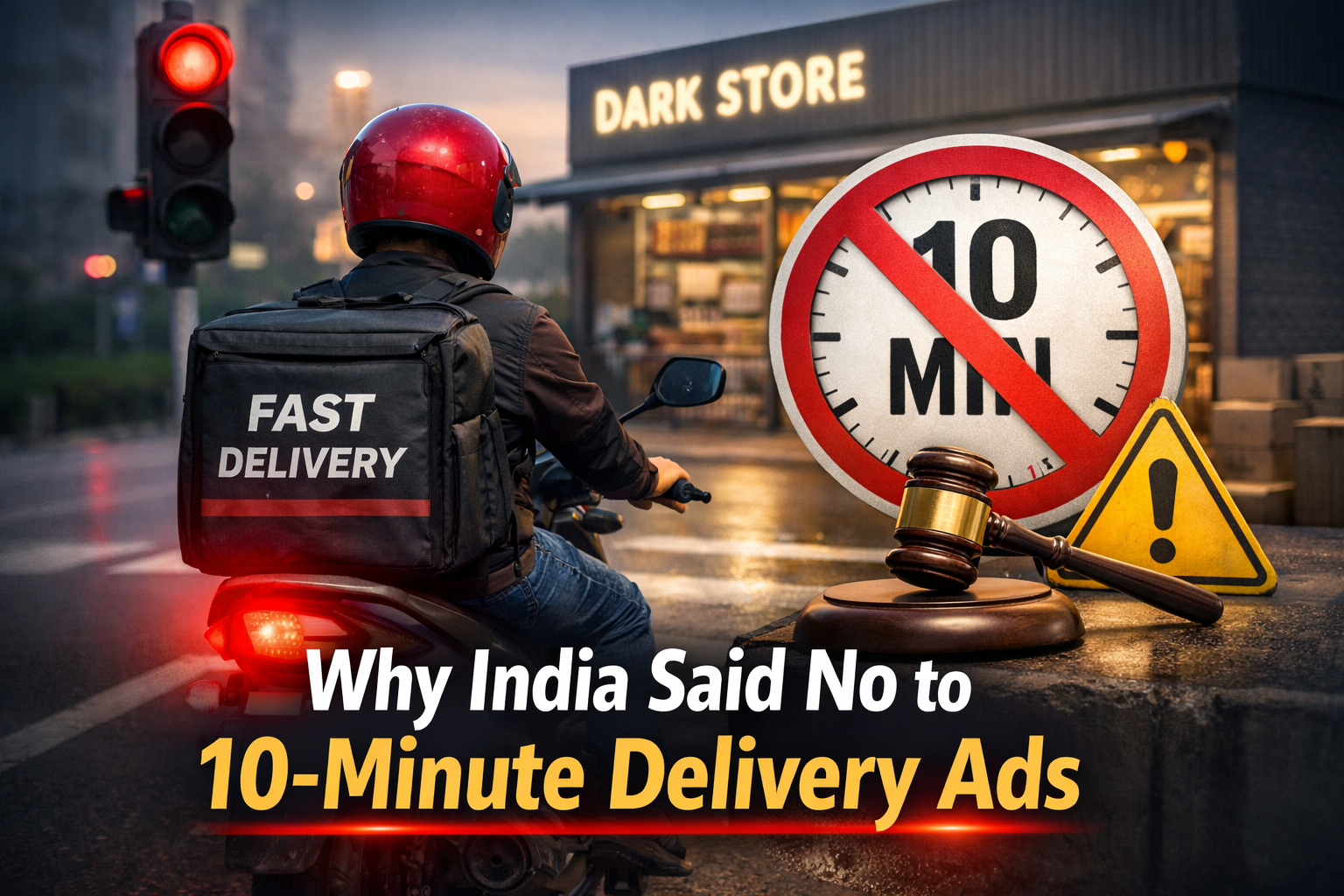
Table of Content
Why this objection to the 10-minute claim
Towards the end of last year, the gig workers at quick commerce companies went on a mass strike. Their demands included better pay, more social security, better working conditions, and scrapping the pressure of 10-minute delivery. The one thing that the government acted on was the 10-minute delivery part. Quick commerce players like Blinkit, Instamart, and Zepto have a different argument. They argue that the rapid delivery is managed through fine tuning of back-end logistics, dark stores, and moving to an inventory-based model from a syndication model. However, public opinion was too strong against 10-minute delivery claims, and it was finally scrapped. What does it mean?
Outcome 1: Can it hit sales of quick commerce units?
When quick commerce was first launched by Zepto in the aftermath of the pandemic, the logic was quite captivating. Quick delivery led to a sharp surge in customer satisfaction, leading to a surge in repeat orders. That has been borne out by the growth in GOV of other quick commerce companies too. So, the 10-minute story is well embedded in the minds of customers. Anyways, the 10-minute order takes 15-20 minutes on an average today, so nobody cares about it as long as it is a much quicker delivery experience. Yes, it hits at the core of quick commerce, but the message may be well embedded already.
Outcome 2: Can it lead to spike in competitive discounts?
One of the ideas on which the ecommerce was built; and also, a word that most ecommerce players dread, is the word “Discount.” Most ecommerce players started off giving hefty discounts to attract customers. In the process, they did earn the loyalty of the customers, but ended up with massive cash-burn and sustained operating losses. Only in the last few quarters, these have been reversed. Hence it is very unlikely that the quick commerce companies would even try to get into aggressive discounts again. After all, they still need to justify the heavy investments made into the quick commerce business.
Outcome 3: Surrogate advertising may be a way out
Surrogate advertising is nothing new in India. Cigarette and liquor companies have been using it for years since they cannot directly advertise their products. It is like McDowell or ITC sponsoring events, or ITC launching a clothing line, or even selling mineral water under the brand name of Kingfisher. That is the situation quick commerce companies find themselves in. They need to get the “speed of delivery” concept across subtly, without saying it. It could mean associating with events and companies that are synonymous with speed, efficiency and consistency. We could see these ideas evolving. After all, when the government puts restrictions; that is when the best creative brains come into play!
Comments